Baby Outgrew the SNOO? Here's What to Do Next
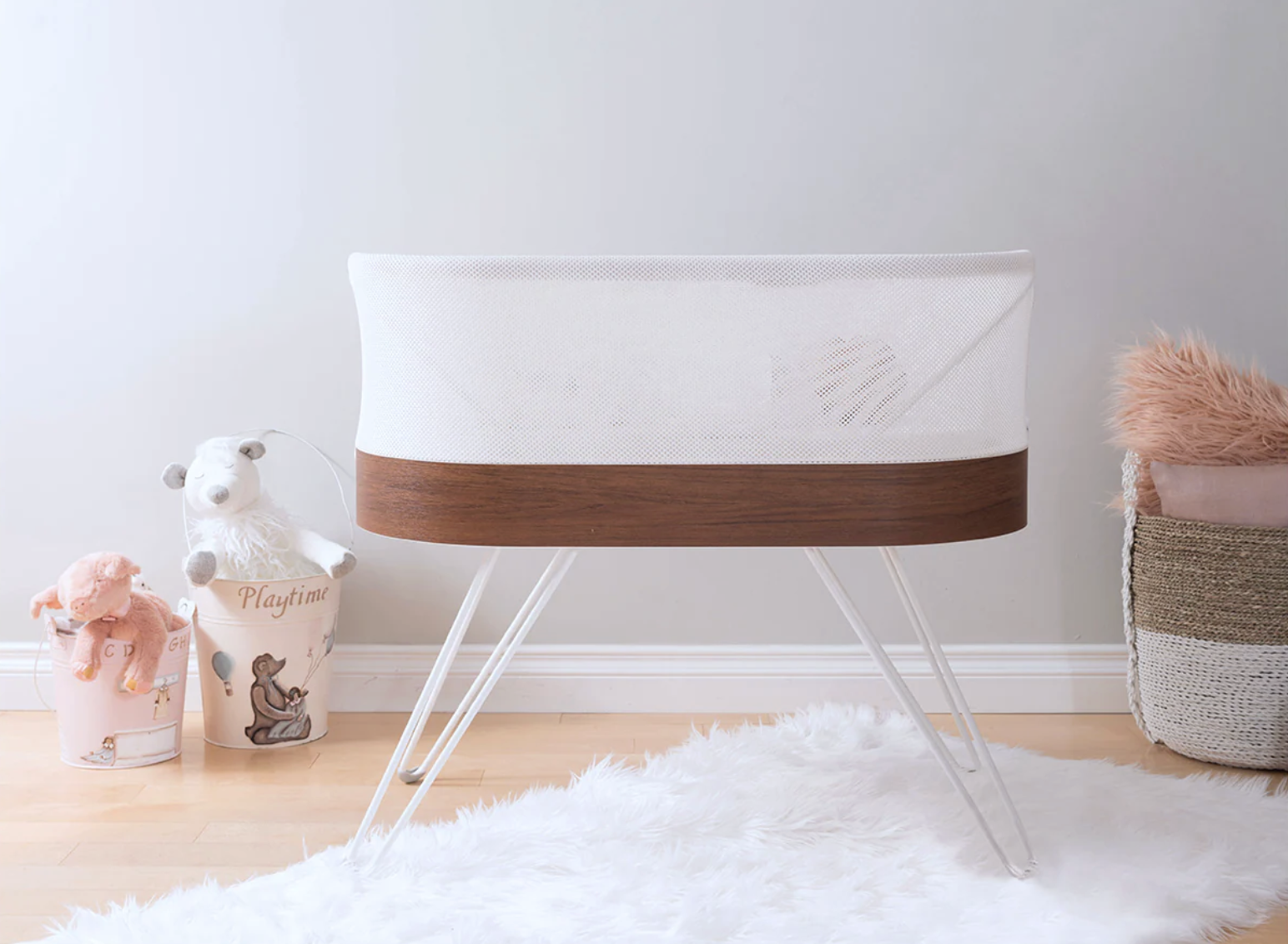
Baby Outgrew the SNOO? Here's What to Do Next
Over the weekend, I met a family who tried the SNOO and are now looking for help with their baby's sleep, because their 4-month-old is waking up 7-8 times a night now that he has to transition to the crib.
What made this conversation stick with me is the timing.
It came just two days after I published a video about the SNOO rental program the City of Atlanta launched earlier this year.
I'd talked through the program in that video: the benefit, the cost breakdown, what it offers.
And then, two days later, a real family sat down with me describing the exact gap I'd mention that other parents were facing.
A baby who slept beautifully with the SNOO's motion and sound, and a crib transition that's now throwing everyone for a loop.
That's the piece nobody talks about.
Not what happens while the SNOO is working, but what happens on day 181, or whenever a baby outgrows it, or if a baby never quite takes to it in the first place. So let's break both of those down.
A Quick Recap of the Program
If you missed my video: Atlanta became the first city in the country to offer city employees a free six-month rental of the SNOO Smart Sleeper Bassinet, and 15 employees have used it since the program launched in January.
The SNOO uses a specially designed sleep sack, and built-in sensors detect fussiness or waking, automatically increasing rocking and white noise to soothe the baby back down.
On cost: a new SNOO runs close to $1,700, a pre-loved unit goes for around $1,200, and renting one costs about $160 a month.
What's Genuinely Good Here
Let's start with what this program gets right. It's not framed as a stand-alone perk; the city positions it as complementing other benefits, like six weeks of paid caregiver leave.
That part matters to me, because it echoes something I say constantly: parents don't just need more information. They need real support. A device is one piece of that. It was never meant to be the whole plan.
Reality Check #1: What If Your Baby Doesn't Take to the SNOO?
Not every baby loves the SNOO, and that's okay. Common reasons a baby might resist it include disliking the swaddle or sleep sack, sensitivity to motion, or simply needing more contact and soothing than a device can offer.
Hear me out on this one: a bassinet, smart or not, is a tool, not a sleep plan. It can support sleep. It cannot teach a baby to self-soothe on its own.
It means you probably need the piece the bassinet can't give you: an actual plan built around your baby.
That's exactly where a gentle, no-cry coaching approach comes in, not as a replacement for the tools you've invested in, but as the missing structure around them.
Reality Check #2: What If Your Baby Outgrows It by 3 Months, Not 6?
Here's something worth reading closely in the original coverage: six months is described as the typical length of time a bassinet is used before a baby is too big for it or can get onto hands and knees independently.
Babies who roll early, grow faster, or simply get more active sooner can outgrow the SNOO well before six months.
That means some families lose one to three months of the "free" benefit before they've even finished paying it off in convenience.
And this is the moment that matters most: parents are left with a baby who's used to motion and rocking to fall asleep, but now has to transition to a crib without it.
That transition, from motion-soothed sleep to independent crib sleep, is exactly the challenge my program, Baby Sleep Accelerator®, helps solve.
Have a Plan to Transition Your Baby to the Crib
Whether your baby loved the SNOO for a full six months or outgrew it at four, the transition to independent crib sleep is the same challenge either way.
And it's the exact thing I help parents through in the Baby Sleep Accelerator®.
One of the techniques we use is what I call sleep association stacking, a gentle bridge technique for weaning babies off motion or rocking dependence without a hard, jarring switch.
It's not about taking away the comfort your baby has relied on overnight.
It's about slowly building new, sustainable associations your baby can fall back on long after the bassinet is gone.
The Bottom Line
The SNOO has it's benefits if you are able to get it to see if it works for your baby, then great. It would be better to also get a baby sleep coach to help you create a sleep plan to handle what happens after their finished using the smart bassinet.
If you're in that in-between moment right now, bassinet days behind you, crib transition ahead of you, I'd love to help.
By Nesta Lumpkin
Nesta Lumpkin is the founder and lead baby sleep coach at Baby Sleep Accelerator®, helping parents get gentle, no cry-it-out sleep for their babies through private 1:1 coaching.
