You Have a New Brain Now That You're a Mom
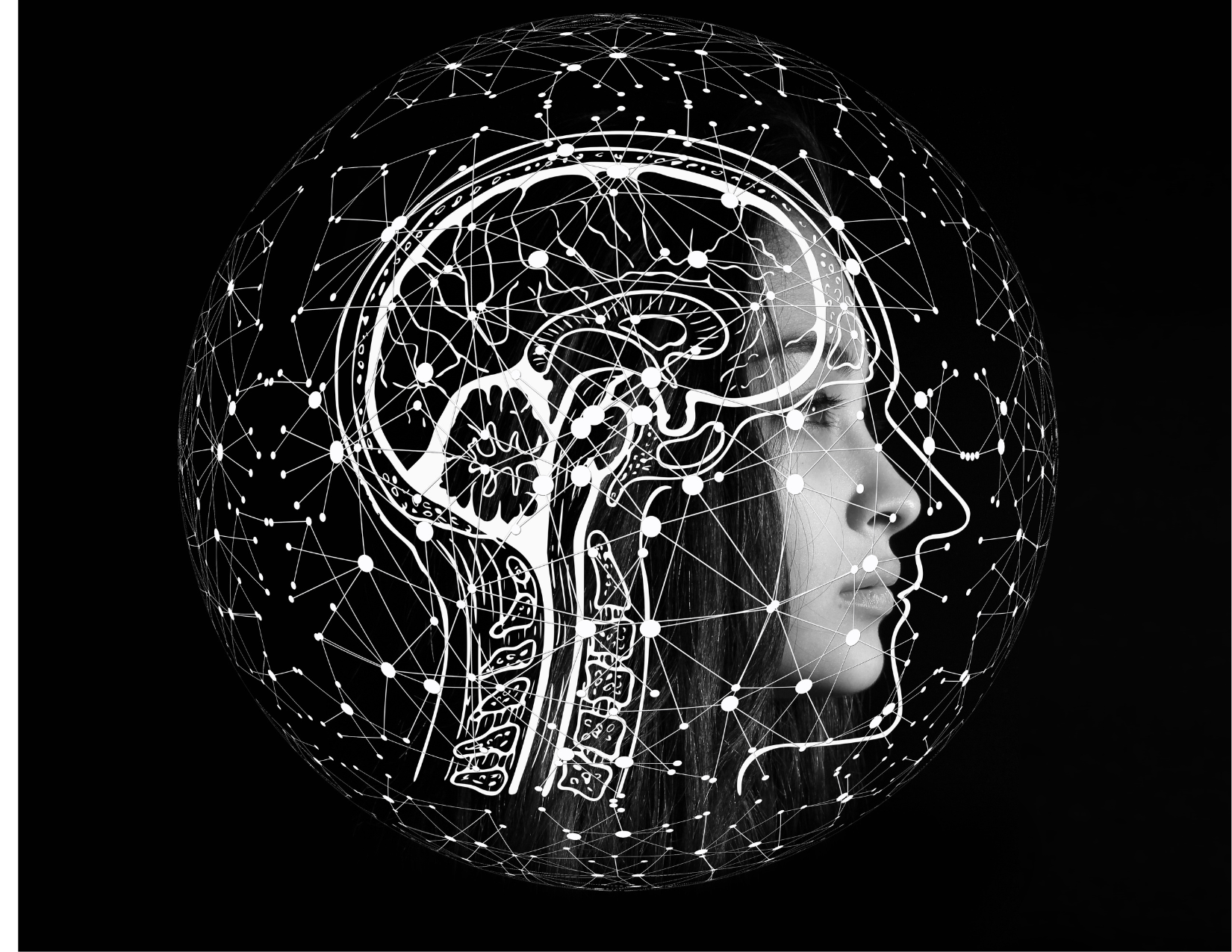
You have a new brain now. No one told you that when you became a mom.
You have a baby, so no one else really sees it, but your nerves are shot. You're hyper-vigilant. Super-sensitive. Some days you feel like Spider-Man, seriously. You've developed these almost superhuman senses since your baby arrived.
The Superhuman Senses No One Warned You About
You can hear your baby crying from what feels like a mile away. Sometimes you even hear phantom cries, you wake up startled, wondering, "did I just hear that?" But your baby was quiet the whole time.
Your gut feelings are more intense than they've ever been. You wake up at 3am with a strange sense that something's off, go check on your baby, and sure enough, they have a fever.
Your main objective, deep down, is simple: keep the baby alive. That's why you keep checking on them while they sleep. You need that proof of life, over and over again.
The Science Behind It
This isn't just in your head, it's actually in your brain. Researchers publishing in Nature Neuroscience found that pregnancy triggers a real, measurable remodeling of the brain: gray matter volume drops by roughly 4-5% across nearly the entire brain, and those changes are still detectable two years after giving birth (Pritschet et al., 2024). Far from being a loss, scientists describe this as targeted, coordinated remodeling, concentrated in the regions responsible for reading your baby's cues, detecting threats, and bonding (Paternina-Die et al., 2024).
That's the biology behind the hyper-vigilance, the phantom cries, the gut instincts that seem to come out of nowhere. Researchers have started calling this whole transition "matrescence," a developmental stage in adulthood much like adolescence, involving major shifts to a mother's brain, body, and identity (Orchard et al., 2023). Your brain isn't malfunctioning. It's being rewired for exactly the job in front of you.
Where the Anxiety Comes From
All of this can make you feel so anxious. And honestly? No wonder your baby's sleep feels so confusing right now.
You've probably asked yourself, why am I not getting this? Am I a bad mom? (You're not, by the way.)
So you search for answers online. And instead of clarity, you get overwhelmed with too much information. You want to sleep train, but you don't want your baby to cry. You want them close to you in bed, but you're scared you'll roll over on them, so you spend the whole night half-awake, watching, making sure they're okay. And somehow, you still don't get good sleep either way.
The Stories We Tell Ourselves
You tell yourself this season of suffering is just the price of motherhood. You tell yourself your baby has low sleep needs. Or maybe even that something's wrong with your baby.
You hear other moms talk about their baby waking up constantly, and you start to believe that's just normal too.
Here's the truth, gently: if your baby is healthy, wasn't a preemie, and is at least 4 months old, waking up 8 times a night is not normal. And I know that might be hard to hear.
It's Easier to Change Than You Think
You might think it's hard to change. It's not.
It's actually much easier than you think to set up the right sleep associations for your baby, so they, and you, can finally get the rest you both need.
If you're ready to find out how, I'd love to help. Head to babysleepaccelerator.com to learn more about my coaching program.
You're not a bad mom. You're just exhausted, and exhausted moms deserve support, not more guesswork.
Nesta Lumpkin is a certified mom and baby sleep coach, best-selling author, and founder of Baby Sleep Accelerator®, a gentle, no-cry sleep coaching program. A former CNN writer and mom of three, she's helped babies sleep through the night more than 8,000 times. .
Sources:
- Pritschet, L., Taylor, C., Cossio, D., et al. (2024). Neuroanatomical changes observed over the course of a human pregnancy. Nature Neuroscience. https://pubmed.ncbi.nlm.nih.gov/39639143/
- Paternina-Die, M., Martinez-Garcia, M., Martin de Blas, D., et al. (2024). Women's neuroplasticity during gestation, childbirth and postpartum. Nature Neuroscience. https://wbhi.ucsb.edu/our-work/projects/the-maternal-brain-project
- Orchard, E. R., Rutherford, H. J. V., Holmes, A. J., & Jamadar, S. D. (2023). Matrescence: lifetime impact of motherhood on cognition and the brain. Trends in Cognitive Sciences, 27(3), 302-316. https://www.cell.com/trends/cognitive-sciences/fulltext/S1364-6613(22)00302-3
